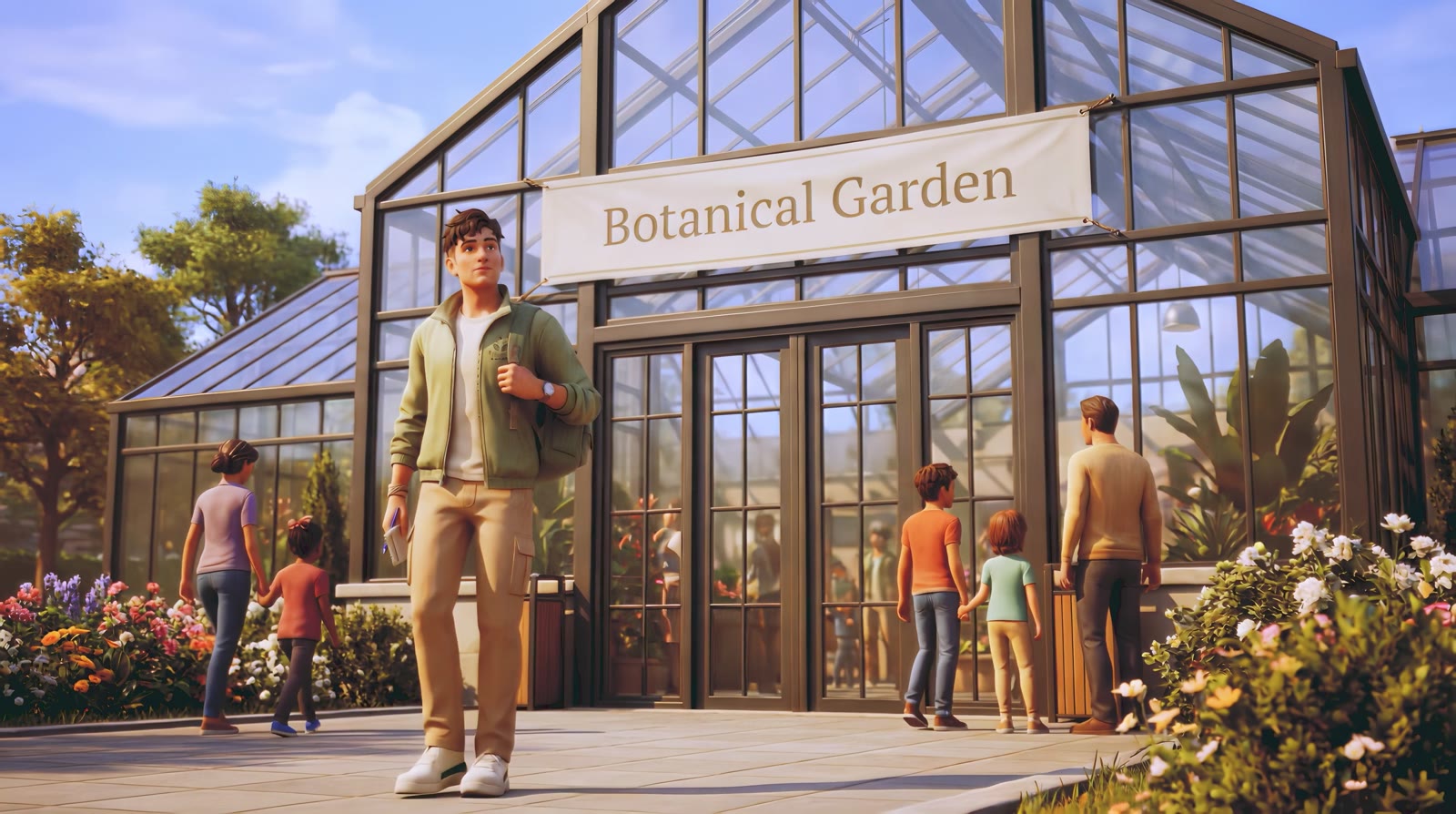
Studio piece
AI film production
AI film production run like a shoot: a script, a sheet for every character and location, and a 3D previs of every scene before a single shot is generated. Then we cut, grade, score and mix the film, with the same faces and places from the first frame to the last.
Service reel, Studio piece
Deliverables and formats
2.39:1
Widescreen
16:9
Web and CTV
16:9
Event screens
9:16
Social teasers
1:1
Social
From $15 per second
Estimate yoursHow it works
Program
01 / 06BriefThe story, who it's for, where it will be screened and the length you have in mind.
01 / Brief
The story, who it's for, where it will be screened and the length you have in mind.
02 / Treatment and script
The look and tone in a treatment, then the script and a frame for every shot.
03 / Characters and world
A sheet for every character and location, signed off before production.
04 / 3D previs
Camera, blocking and timing locked in Blender, scene by scene.
05 / Production
Each shot generated from the sheets and its previs frame, then checked for continuity.
06 / Finish and delivery
Edit, grade, score, sound design, mix, masters and cutdowns.
Studio work
Studio piece
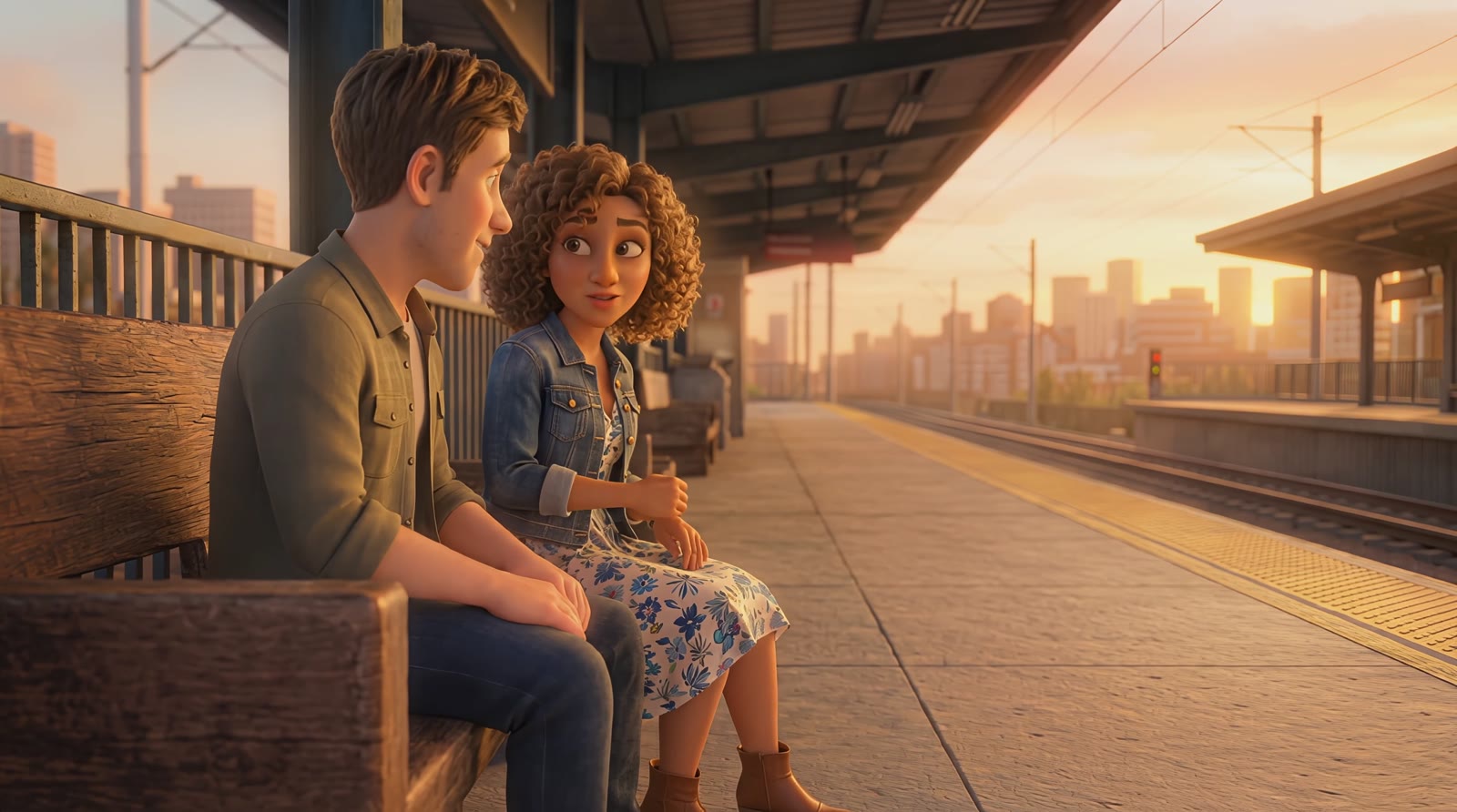
Studio piece
In depth
AI film production tells a story with characters, scenes and a score, and generates its shots with AI models rather than filming them. The craft around those shots is a film's: a script, a cast, a camera plan, an edit, a grade, a score and a mix, with a director making each call. We run all of it in one studio, from the first page of the treatment to the final mix.
What changes is where a story can go. A fragrance film can open on a glacier and end in a candlelit apartment. A development film can walk buyers through a building that exists only in the architect's plans. A safety film can stage the accident it exists to prevent, with no one near it. Each one starts the way a filmed scene does: a page of script and a storyboard frame.
A brand film tells a story around the brand instead of selling one product in a :30 slot. It is the hero piece of a campaign: on the homepage, on CTV, and cut into teasers for social. For luxury, beauty and wellness brands, the treatment pins down light, texture, wardrobe and camera moves before anything is made.
Event and development films are made for one room and one big screen: a keynote opener, a sales suite, a training day, an investor meeting. We frame and finish them for the screen they play on.
Original shorts are stories told for their own sake, with a cast, a world and a score held together for the whole running time. We make our own as studio pieces, and we'll make one for a brand that would rather fund a film than another ad.
A spot holds a face for :30. A film has to hold it across scenes, costume changes and a full running time, and that is the hard part of AI film.
Every character starts as a sheet: face, build, hair, wardrobe for each scene, and the expressions the script calls for. Every location gets one too: layout, materials, light and time of day. You sign the sheets off with the script, and they work as the cast and the set.
In the 3D previs, every scene is blocked with the camera, the characters' marks and the timing locked, so eyelines match across the cut. After generation, we check each shot the way a script supervisor would on set: which hand holds the glass, how wet the street is, where the light falls, what's on the table. Any shot that breaks continuity is made again.
The sheets carry into the next film too, so a series or a campaign keeps its cast.
We start with a call about the story or the idea, who it's for, where it will be screened and when you need it. A schedule and quote follow the first call.
We write a treatment that sets the look and tone, then the script, then a storyboard frame for every shot. The sheets come next, then the previs, and you approve each stage before the next begins. Production runs scene by scene.
Then the edit, color grade and finishing, with upscaling for large screens. The score is written for the film, not pulled from a library, and sound design and the final mix go on last. You get the master in 2.39:1 or 16:9, plus a trailer, teasers for social and stills from the same shots for posters and press.
FAQ
Choose a line
PAGE 01.
INT. EXSALE STUDIO. DAY
EXSALE
Each character is designed once, on a sheet, and signed off with the script. Every shot is generated from that sheet and its previs frame, then checked for continuity before it goes into the cut. A shot that breaks continuity is made again.
CUT TO:
Book a call (Opens in a new tab)PAGE 02.
INT. EXSALE STUDIO. DAY
EXSALE
A commercial sells one thing in a set slot: a :15, :30 or :60 spot. A brand film is built on a story, with characters and scenes, and its running time comes from that story, not from a media slot. We can cut spots and teasers from it too.
CUT TO:
Book a call (Opens in a new tab)PAGE 03.
INT. EXSALE STUDIO. DAY
EXSALE
Running time is a schedule question more than a technical one. Models generate short clips, so a film of any length is built shot by shot, and each shot is boarded, generated and checked on its own. More running time means more shots to make. Tell us the length you have in mind, and a schedule and quote follow the first call.
CUT TO:
Book a call (Opens in a new tab)PAGE 04.
INT. EXSALE STUDIO. DAY
EXSALE
Yes. We set the look in the treatment: light, lenses, color, texture and the references you send, from period drama to clean studio light. The character and world sheets are made in that style, so every shot is generated to match it.
CUT TO:
Book a call (Opens in a new tab)PAGE 05.
INT. EXSALE STUDIO. DAY
EXSALE
Yes, when the screen is planned for from the start. Send the venue or screen specs with your brief: resolution, aspect ratio and the file format the playback system takes. We frame every shot for that screen at the storyboard, then finish and upscale the master to those specs.
CUT TO:
Book a call (Opens in a new tab)Services
Start a project
Book a call, or send a short brief and we'll reply by email.
Email your brief to [email protected]